What Website Development Approach Does Your Company Actually Need?
Every website 'works' in the sense that it loads and has words on it. That's a low bar, and it's the reason so many businesses end up stuck with a site that technically exists but doesn't actually do anything for them — no enquiries, slow load times, and a redesign that keeps getting pushed to next quarter. The tools available to build a site range from drag-and-drop builders to fully custom-coded platforms, and the mistake isn't picking a 'bad' option. It's picking an option that doesn't match what the business actually needs the site to do.
Start With What the Website Actually Has to Do
Before choosing a platform, it helps to be honest about the job. A five-page site that exists mainly so people can confirm a business is real and find a phone number has completely different requirements from a site that needs to rank on page one, handle thousands of monthly visitors, or run its own checkout. Most bad website decisions come from picking the platform first and working backward, instead of the other way round.
Website Builders Work Until They Don't
Tools like Wix and Squarespace exist for a reason — they're fast, cheap, and fine for a business that just needs a digital business card. The trouble shows up once traffic, content, or ambition grows. These platforms are built for ease of editing, not for page speed or flexibility, and there's a ceiling on how much you can customize before you're fighting the tool instead of using it. A lot of businesses only discover that ceiling after they've already outgrown it.
Webflow Sits a Step Above the Rest
Webflow deserves its own mention, because it's a genuine middle ground rather than just another drag-and-drop tool. It gives designers far more control over layout and interaction than Wix or Squarespace, and the code it outputs is cleaner, which helps with both performance and SEO. For a design-led brand site or a landing page that needs to look sharp without a full engineering team behind it, Webflow is often the right call. It still has a ceiling, though — once a site needs custom logic, complex integrations, or the kind of performance tuning larger traffic demands, that's where even Webflow hands off to custom-coded development.
WordPress Still Has a Real Place
WordPress gets dismissed as outdated in some circles, which isn't fair. For a content-heavy site — a publication, a blog-driven business, anything where non-technical staff need to publish regularly without waiting on a developer — WordPress still does that job well. Where it tends to fall apart is performance and security once plugins pile up, which is usually a maintenance problem more than a platform problem.
Custom-Built Sites Are Where the Real Advantage Shows Up
For a business where the website is a genuine growth channel — not just a formality — a custom build earns its cost back. This is the space we spend most of our time in: headless architectures built on React, with Next.js handling server-side rendering tuned for Core Web Vitals, and pages that load in a way page builders simply can't match. React's component model is also what makes a site like this maintainable long after launch — new pages and features get built from the same reusable pieces instead of every page being a one-off. We've written before about exactly what that architecture looks like in practice, and it's not a small difference — every 100 milliseconds of load time has a measurable effect on whether someone actually completes an enquiry or checkout.
This is also the part of the business where Cocaimo's web development team has built up real depth — not template customization, but sites engineered from the ground up around speed, structure, and conversion, for businesses that have already outgrown what a builder or a stock theme can do.
E-commerce Needs Its Own Decision Entirely
Selling products online adds a separate layer of choices — Shopify, WooCommerce, or a fully custom storefront, each with different trade-offs around checkout flexibility, transaction fees, and how much control you actually have over the buying experience. And for a lot of product businesses, a chunk of revenue won't come through the website at all; it'll come through marketplace management on Amazon or Flipkart, which runs on entirely different rules than your own site does. Deciding how much weight to put behind your own store versus marketplaces is worth doing before either one gets built.
What This Looks Like for Businesses in Kochi and Kerala
Kochi's business landscape makes this decision a bit sharper than it is elsewhere. Infopark and Smart City have brought in a wave of tech-forward companies that get compared against national and global competitors from day one — a slow, templated site doesn't hold up well in that comparison. On the other side, Kerala's tourism, spice export, and textile businesses are often selling to an audience that includes the Gulf and the wider Malayali diaspora, where the website may be the very first — and sometimes only — impression a prospective customer gets of the business, long before any phone call or site visit happens.
That mix means a template site frequently isn't quite enough here, but a fully custom platform isn't always necessary either. A lot of the Kerala businesses we work with land somewhere in between: a custom-built front end for speed and credibility, backed by content that can be updated without calling a developer every time a season, a menu, or a price list changes.
How to Actually Decide
A rough way to think about it: if the site is mostly informational and rarely changes, a well-built template is a reasonable choice. If the priority is design polish for a brand or landing page without heavy custom logic, Webflow is worth a serious look. If content needs to be published often by non-technical staff, WordPress fits well. And if the site needs to carry real weight — ranking, conversion, brand credibility against bigger competitors — a custom React build is where the investment tends to pay for itself.
None of this matters much if nobody finds the site once it's live, though. A fast, well-built website is the foundation — what brings people to it is search engine optimization and the rest of a proper digital marketing strategy, and for businesses that want faster results while organic rankings build, performance marketing alongside it. The platform decision is where it starts, not where it ends.

Cocaimo Digital Agency
Digital Growth & Web Development at Cocaimo Digital Agency
Focuses on technical architectures, performance algorithms, and commercial growth playbooks for digital enterprises.
Article FAQs
Frequently asked questions related to this article's topics.
Related Engineering Playbooks
Why Small Businesses Need a High-Performance Website in 2026
Social media and Google listings are useful, but they shouldn't be the entire online presence of a small business. Here's why a fast, useful website still matters in 2026.
Cocaimo Digital Agency
What Digital Marketing Methods Does Your Business Actually Need?
Digital marketing isn't one thing, it's a set of different methods that solve different problems. Here's a plain breakdown of each one and how to know which your business actually needs.
Cocaimo Digital Agency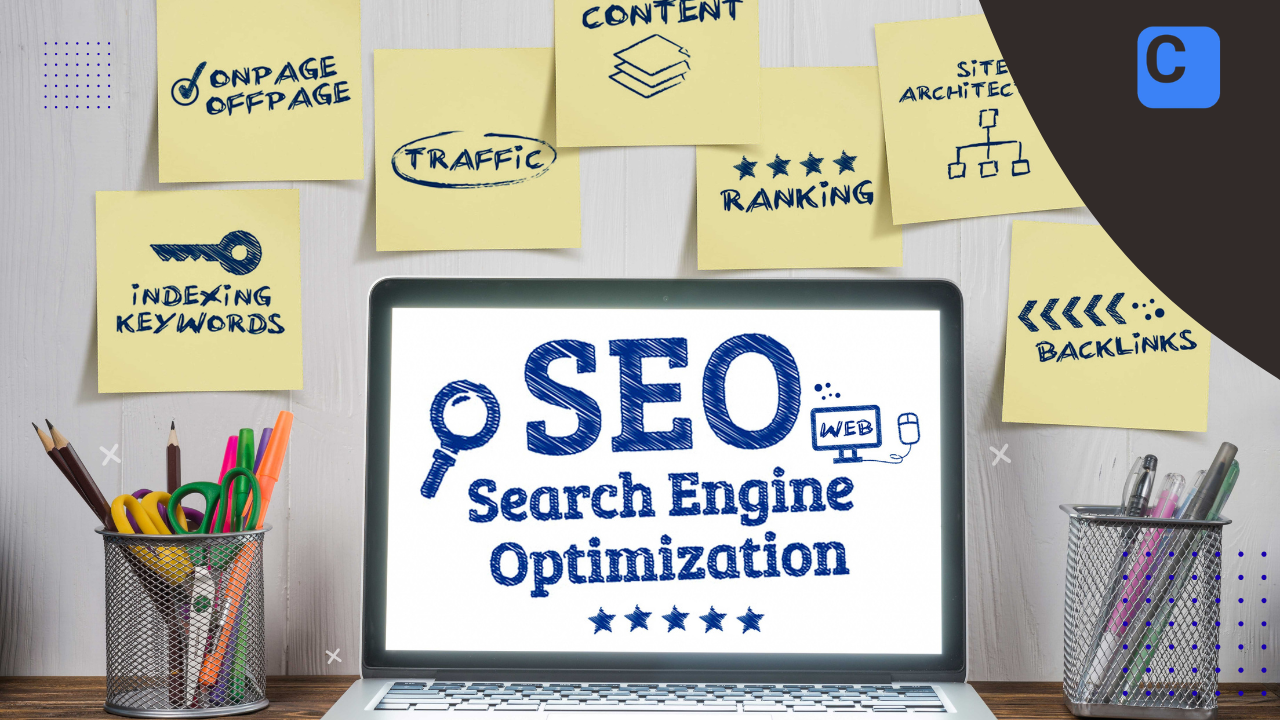
Why SEO Still Wins for Long-Term Organic Traffic Growth
SEO is more than keywords and blog posts. Search intent, technical performance, useful content, internal linking and conversion experience all play a role in turning organic visibility into meaningful business growth.
Cocaimo Digital Agency